
Rust and Radicals: Understanding Oxidative Stress and How to Fight It
Have you ever sliced an apple, left it on the kitchen counter, and returned an hour later to find it has turned an unappetising shade of brown? Or perhaps you have noticed your old bicycle left out in the rain slowly developing a coat of flaky orange rust.
What you are witnessing is oxidation, a natural chemical process that happens when things are exposed to oxygen. Exactly the same process is happening inside your body right now.
When oxidation gets out of control, it creates a state known as "oxidative stress". You might have seen this term splashed across skincare adverts or health magazines, usually followed by a pitch for an expensive supplement. But what does it actually mean for your health? Here, I’ll try to break it down for you.
The Free Radical Problem
To understand oxidative stress, we first need to talk about free radicals.
Your body is essentially a microscopic power plant (you’ve probably had it drilled into you in high-school biology that “mitochondria are the powerhouses of the cell”). Every time you take a breath and convert food into energy, your cells perform some complex chemical reactions. A natural byproduct of creating this energy is the formation of molecules called free radicals.
Normally, molecules are stable because their electrons come in pairs. Free radicals, however, are missing an electron and crave to find one more. This makes them highly unstable and rather aggressive, not unlike myself when I am particularly hungry. To fix their own imbalance, they will roam around your body and steal an electron from the nearest stable molecule.
When a healthy cell loses an electron, it becomes damaged and turns into a free radical itself. This cellular theft is known as oxidation.
In small numbers, free radicals are completely normal. Your immune system even uses them to fight off invading bacteria and viruses (Chandimali, 2025). The problems only arise when the number of free radicals overwhelms your body, throwing off the balance.
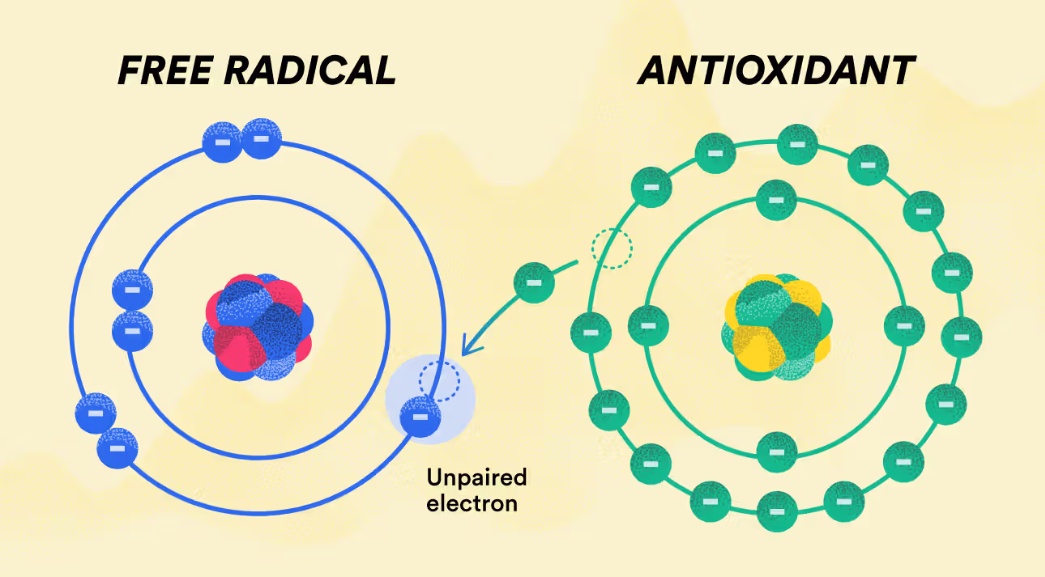
Image credit: Mekhi Baldwin
Enter the Antioxidants
Antioxidants are molecules that have electrons to spare. They can freely donate an electron to a free radical, neutralising the threat and stopping the chain reaction in its tracks. The brilliance of an antioxidant is that it remains completely stable even after giving an electron away. To use an analogy: if free radicals are the electron thieves, antioxidants are the wealthy philanthropists.
Your body produces its own antioxidants like alpha lipoic acid and glutathione (Harvard Health Publishing, 2019), and you also get a massive supply of them from the food you eat, such as vitamins A, C, and E. As long as there is a healthy balance between free radicals and antioxidants, your body hums along perfectly.
What is Oxidative Stress?
Oxidative stress happens when the balance tips from the healthy dose into an uncontrolled concentration of free radicals. It is the biological equivalent of having too many thieves and not enough philanthropists. When free radicals vastly outnumber your antioxidant defences, they start doing serious damage to your DNA, proteins, and cell membranes.
Over time, this microscopic damage accumulates. In the short term, it can lead to fatigue, brain fog, and muscle aches. Over the long term, chronic oxidative stress is a major contributor to the physical signs of ageing, such as wrinkles and greying hair. More seriously, it is heavily linked to a host of chronic health conditions, including heart disease, type 2 diabetes, Alzheimer's disease, and certain types of cancer.
How to Minimise the Damage
You cannot completely stop oxidative stress. It is a normal part of being alive. However, you can make lifestyle choices that drastically reduce the number of free radicals you are exposed to while simultaneously boosting your antioxidant reserves.
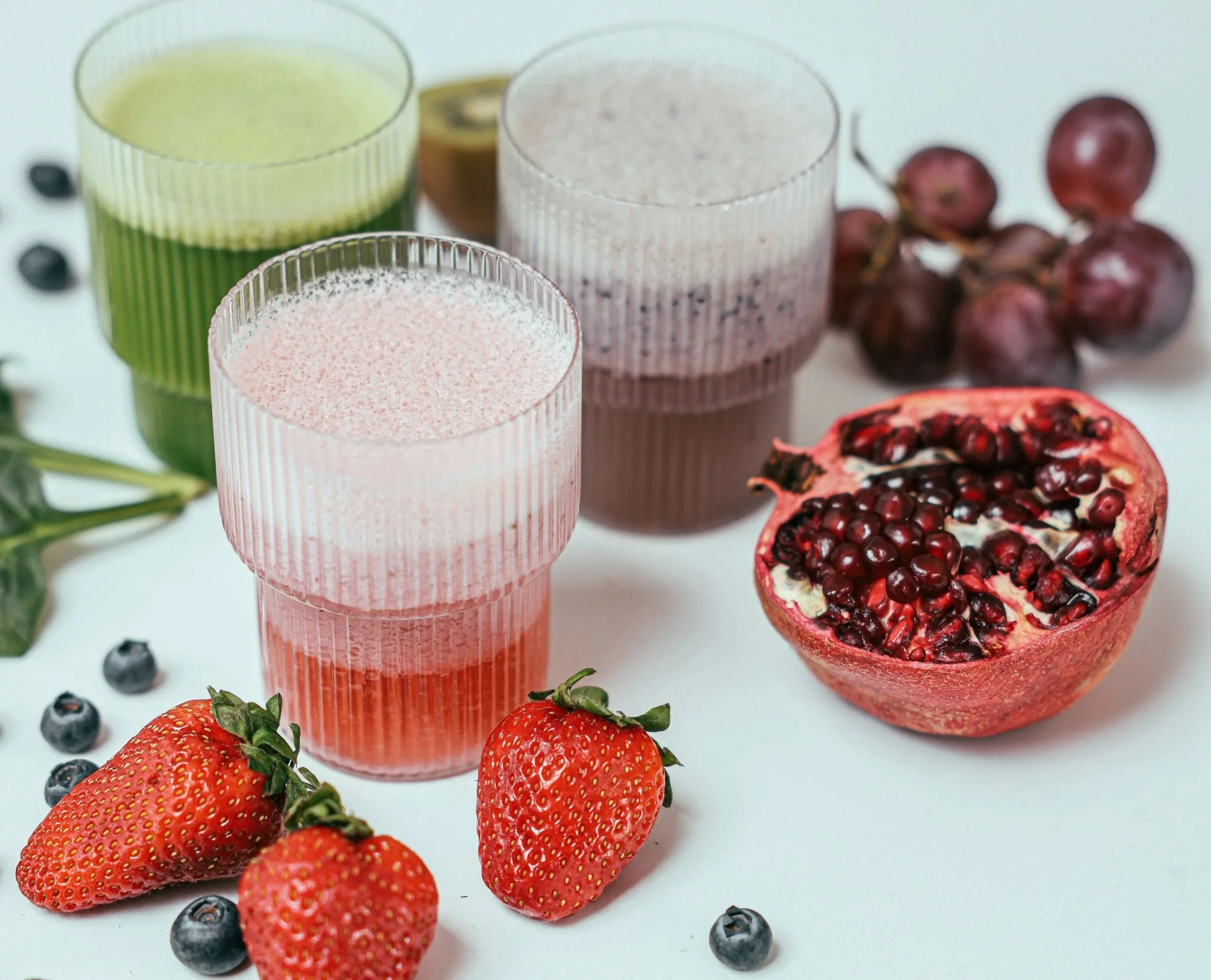
Fill Your Plate with Colour: The single most effective way to fight back is through your diet. Plants are the ultimate source of antioxidants. As a general rule, the brighter or deeper the colour of fruits or vegetables, the higher their antioxidant content. Berries, spinach, beetroot, dark chocolate, and even coffee are all great sources. Aim to eat a wide variety of colours every single day.
Avoid the Free Radical Triggers: While your body makes free radicals naturally, external factors can flood your system with them. Cigarette smoke, excessive alcohol consumption, air pollution, and prolonged exposure to ultraviolet sunlight are all massive triggers. Minimising your exposure to these environmental toxins gives your body a fighting chance to maintain its balance.
Rethink Your Diet Quality: Diets high in sugar, ultra-processed foods, and refined fats trigger inflammation and oxidative stress (Smvk, 2022). Swapping highly processed snacks for whole foods can make an immediate difference to your cellular health (and your energy levels). This certainly doesn’t mean spending ridiculous amounts of money on ‘organic’ products.
Move Your Body, But Allow for Rest: Regular, moderate exercise is brilliant for boosting your body's natural antioxidant production. However, it is important to find the right balance. Extreme, exhaustive training without adequate recovery can actually spike your free radical levels. Rest and good quality sleep are just as important as the workout itself.
In particular, previous work from our own laboratory at the University of South Wales has demonstrated that High-Intensity Interval Training (HIIT) is less oxidative (i.e., produces fewer free radicals) and less pro-thrombotic (i.e., makes the blood less prone to clotting) than steady-state cardiovascular exercise (Fall et al., 2023).
The Bottom Line
You do not need expensive, obscure supplements to manage oxidative stress. The secret to keeping your cells healthy is decidedly old-fashioned. Protect yourself from obvious toxins, eat a varied diet full of colourful plants, stay active, and get enough sleep. By keeping the rust at bay, you help your body run smoothly for decades to come.