
Write here. Write now.
Don’t save writing for when you have a university assignment due. Don’t save writing for studying. Don’t save writing for birthday and Christmas cards.
Write whenever you get the chance.
The pen is mightier than the sword, and human history has been carved in roughly equal parts with both. Whether writing political essays (à la Hamilton), binding legislation (such as the Jim Crow laws), or radical manifestos (from Marx to the Unabomber), the movement of pen on paper has often foreshadowed the movement of both human bodies and attitudes.
Since the dawn of writing, even before pen or paper, we have used it to record past events and present circumstances so that we may communicate them to those after us. From the complaints about poorly made copper to Principia Mathematica, we leave steps to follow for success in certain problems, and actions to beware of, lest they lead to peril.
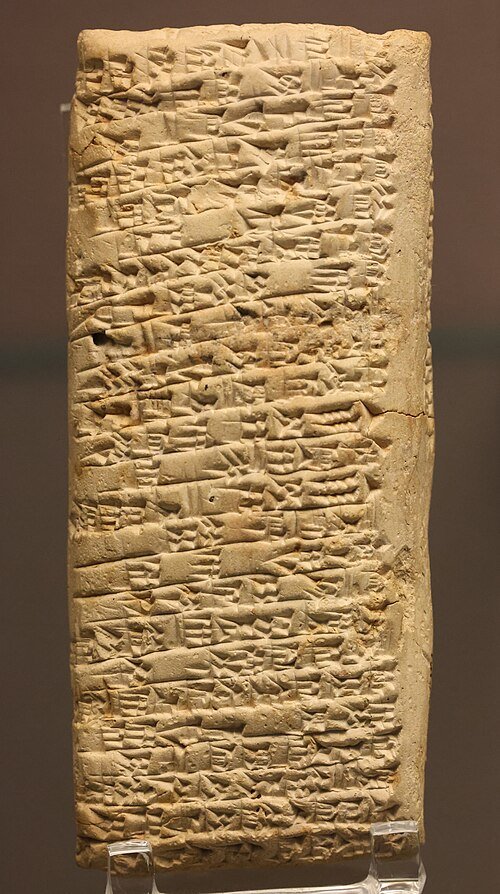
The oldest known customer complaint, written about a sub-par batch of copper provided by trader Ea-nāṣir, circa 1750 BC.
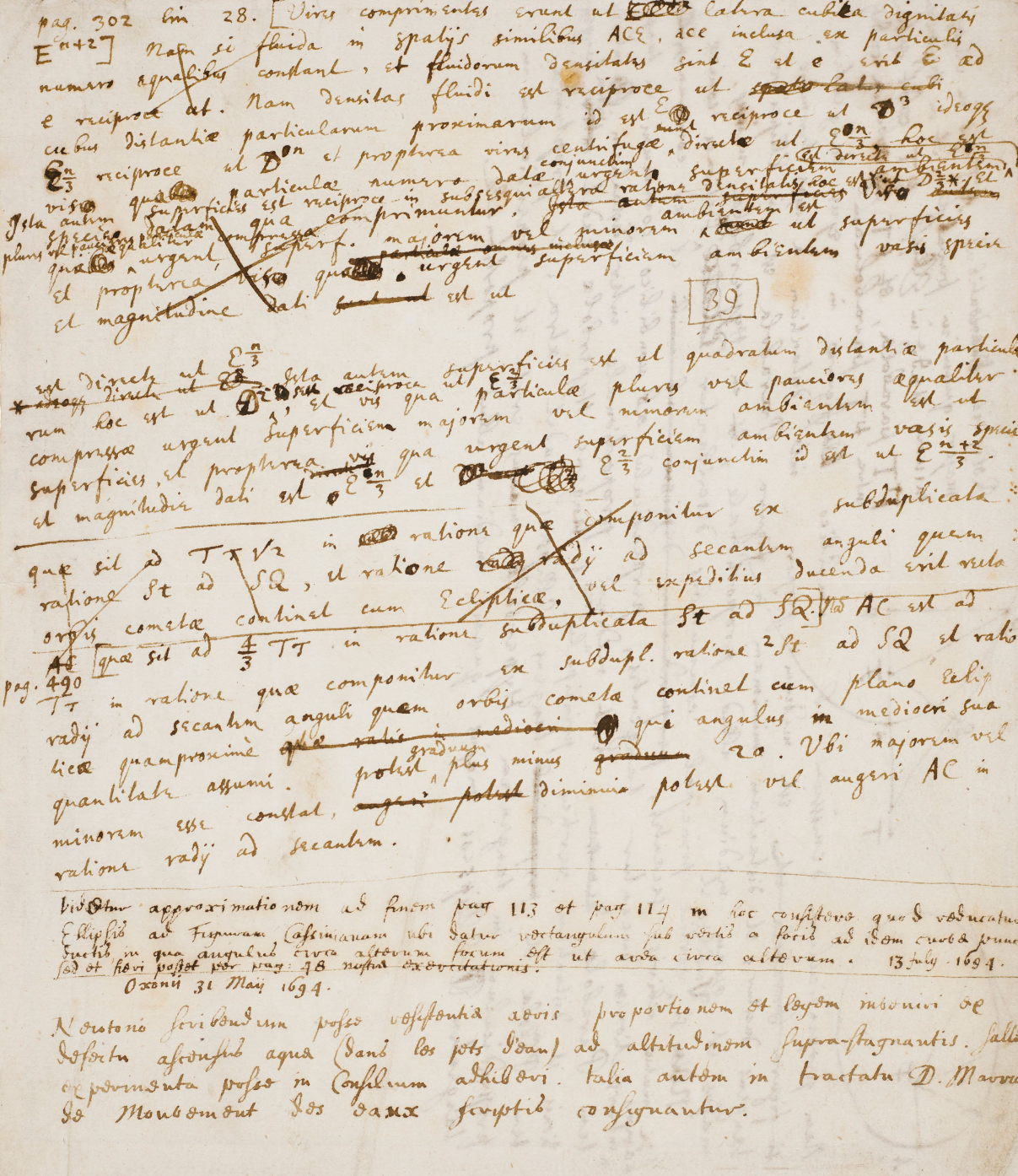
A Passage of Sir Isaac Newton’s handwritten manuscript for Principia Mathematica, first published in 1687
We can only become wise once we have conversations with the dead, says Pythia, of the Oracle of Delphi, to Zeno of Citium. In essence, when we learn the dead man’s lessons. This is what reading allows us, and what writing allows those of the future.
The Medium: Digital vs Physical Writing
Though I must ultimately type this essay to post online, I advocate the old-fashioned way: with pen and paper. The tactility of the analogue gives us something in return, at the small cost of its comparative slowness. It connects us with what we are putting down in ink. I happen to be a collector of fountain pens, which provide a certain satisfaction with their smoothness; literally and figuratively reducing the friction between our thoughts and our writing.
I also like the ability to flick through a physical notebook. While they may not be as inherently ordered as notes in my Evernote account, with their respective tags and categories, I do try to index my notebooks, which I’ll write a separate post about soon.
Journaling
Writing, of course, doesn’t always need to have an intended audience. Personal journals and diaries have been kept for millennia, often with no thought by the author that anyone else should ever think or care to read them.
I should preface this section with the confession that I have fallen out of my journaling habit as of late. Not for its lack of value, but for my lack of prioritising it.
Journaling is a great tool to process the day and to clear the mind. As I once heard Ryan Holiday describe it, journaling is a way to separate your thoughts from yourself. It allows you to physically hold them at arm’s length and decide whether or not they make sense, and whether or not you even agree with them upon a more objective analysis.
It doesn’t have to be good prose, as your journal will typically be private. I also tell people the same about their handwriting for notes: it only needs to be legible to yourself if you are the only one likely to read it. Think of this as encrypting your notes from other peering eyes!
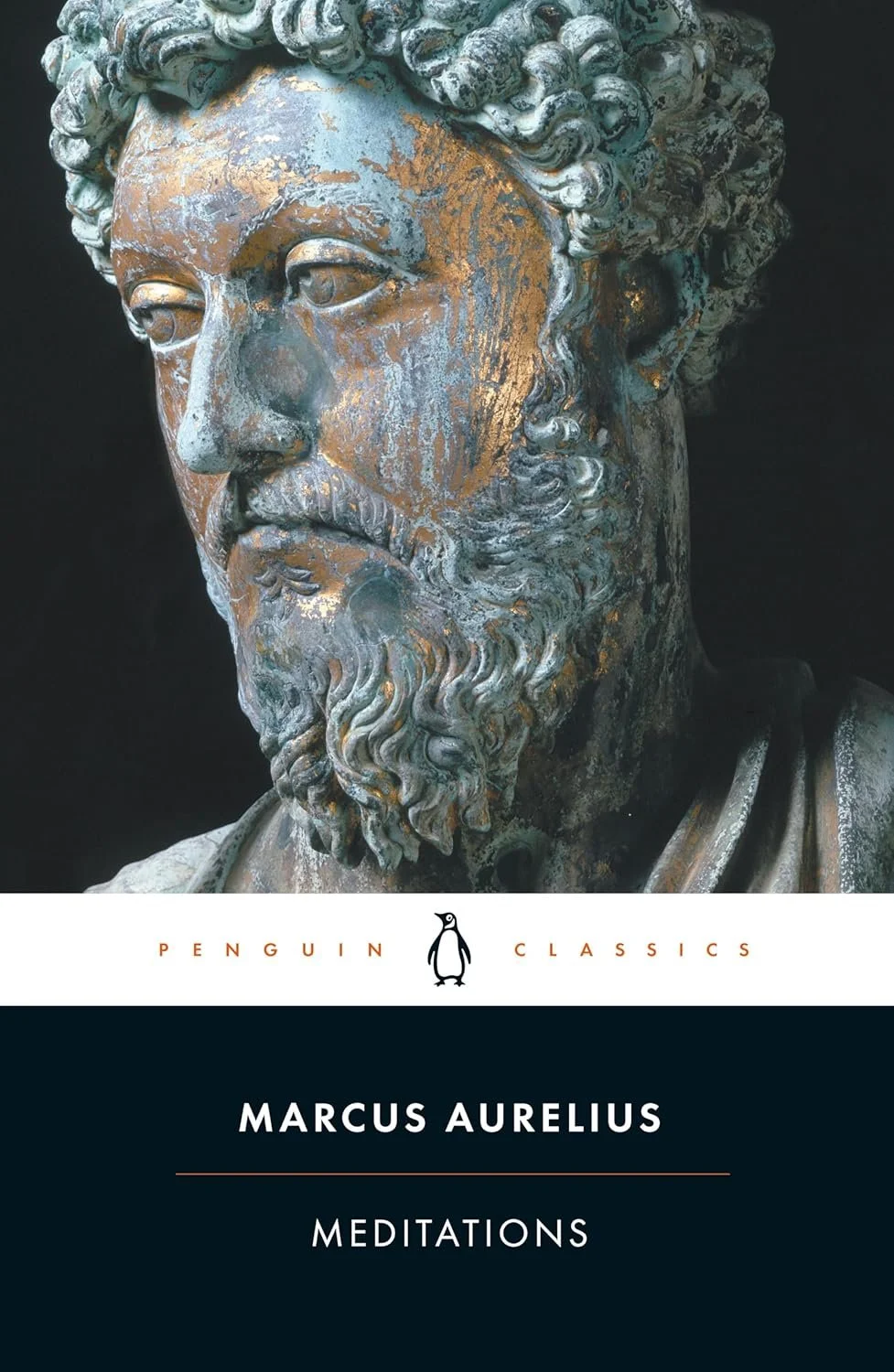
The contents of Roman emperor Marcus Aurelius’ journal were famously preserved for almost two thousand years in what is now known as his “Meditations”
Letters
I am beginning to make a practice of writing letters to both old and new friends. These have been sent to people I have met at conferences or heard on podcasts, with whom I wanted to connect. Some of them are now dear friends of mine.
In the day and age of emails and DMs (Direct Messages, not Dungeon Masters), a letter is remembered much more fondly. It conveys sincerity far more effectively than a digital message.
Unlike journaling, I would advise some time spent on your penmanship prior to writing to someone, especially if that should be someone you hope to form a professional relationship with. My handwriting is far from perfect, as anyone who has received my letters well knows, but I am conscious to make it more legible than my journal.
I erred in my first letters by writing them on lined paper. Instead, it is better to write them on plain paper. To keep your text straight, put a lined notepad underneath a single sheet of plain paper, and you should be able to see the lines through the sheet you are writing on. If necessary, get a ruler and go over the lines on the lined notepad with a heavy black-inked pen to make them more visible.
(Handwriting a letter or poetic note for your significant other should also bag you some brownie points!)
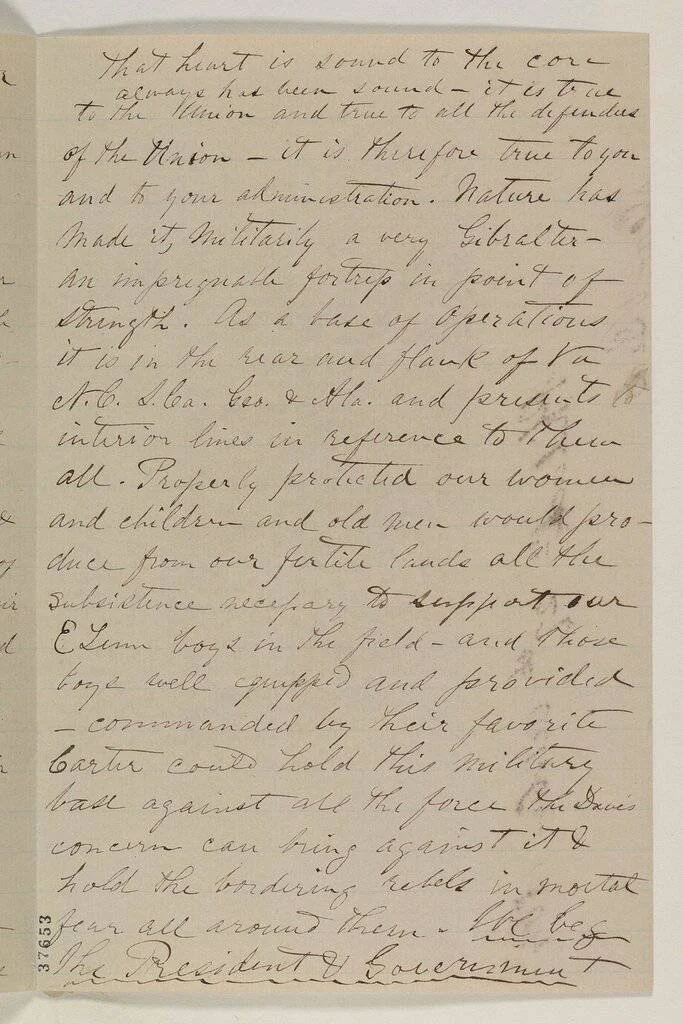
The Bixby Letter, believed to have been sent by Abraham Lincoln in 1864 to Lydia Bixby, a woman who lost five sons in the American Civil War.
Postcards
I can’t say I’ve actually sent a postcard to any of my friends yet, but the same idea applies as with physical letters.
How would you feel if a friend went on a trip and sent you a postcard? You can do that for your friends.
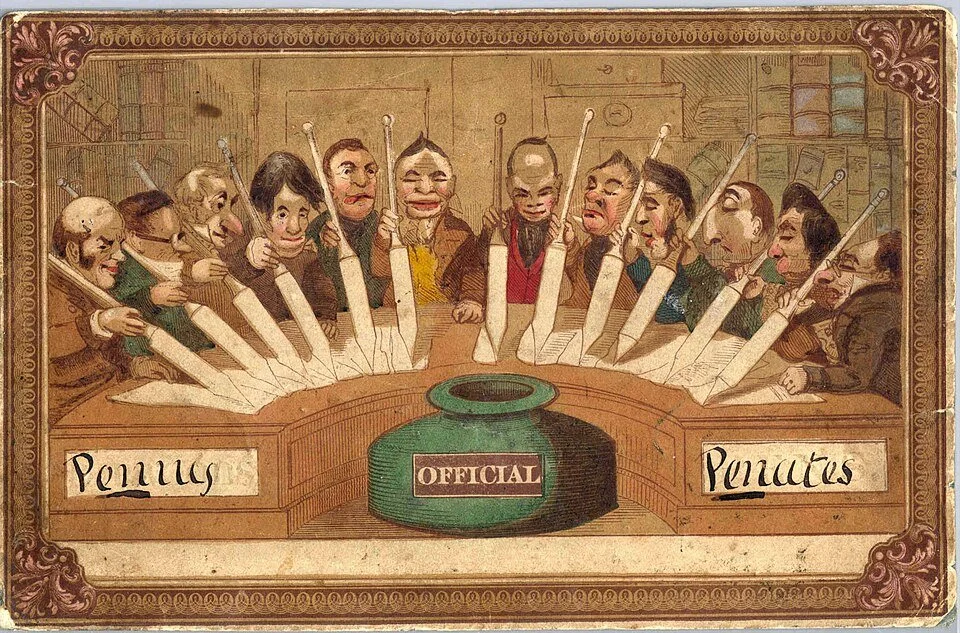
The Penny Penates, believed to be the oldest postcard. It was sent on July 14th, 1840, to Fulham, London. It sold at auction in 2002 for £31,750